


In the Circle of Life and Death – on Warsaw
The Beginning
Łubieński tells the story of Warsaw as its creator, from its absolute beginning, when millions of years ago it was located under the surface of warm seas. There are stories here about mythical and prehistoric animals, such as the mermaid, the elephant, and the forest rhinoceros (which became extinct about thirty thousand years ago as a result of a change to a dry and cold climate). Fifty thousand years ago, the area of present-day Warsaw was inhabited by steppe bisons (praeuropean bisons), mammoths, reindeer, wild horses, maneless cave lions and wolves. Glacial tongues deposited erratic boulders, and at the end of the last glaciation, the Prawisła River began to flow through the Warsaw-Berlin glacial valley, which at that time drained into the North Sea.
In Praise of the Wild
Łubieński’s story about Warsaw reads like a fairy tale, although its content is the result of thorough scientific research, discoveries made by paleoenthusiasts, archaeological finds, historical readings and contemporary works devoted to nature, visits to archival collections, and the author’s wonderfully described nature expeditions. The first traces of human presence in what is now Warsaw are the remains of pottery dating back five thousand years, discovered in a so-called flowerpot in front of the Royal Castle in 2005. The human history of the city accelerated with the development of trade: it is believed that it began as a trading post founded with money from Toruń patricians. Equivalent to human heroes are the king of the Vistula – the sharp-nosed sturgeon – a fish colossus, a species extinct as a result of human activity, or dunlins, terns and wood warblers – companions of the writer’s walks along the Vistula. Łubieński visits old forts, Olszynka Grochowska, Powązki, and the area where the eponymous Black Cat stood until 2021. He tells the story of man and the existing image of life in all these places – the fauna and flora here are like the jewels in the crown of creation. Every corner of green Warsaw is an opportunity to observe the life of birds, recognize their species, and track the fate of insects and vegetation. The Black Cat, with its shady aura, disappears from the city, and in its place, the life of plants and insects flourishes. It turns out that informal greenery has similar biodiversity and retention indicators to formal greenery.
Silent Witnesses
Trees deserve their history just as much as people do. The author searches for descriptions of them in Warsaw-related literature, old photographs, and the city’s map service, where, as the author writes, there is a masterpiece of art in general – William Lindley’s maps, made between 1883 and 1915 for the construction of a water supply network. The Tree of Survival, the pear tree in the Wolska Family Square, and the Mieszko oak are silent witnesses, alive for centuries, to the Warsaw Uprising, the dramatic history of a hiding place called “Krysia,” and events in nearby Warsaw.
Halfway between Brussels and Moscow
During and after the catastrophe of war, Warsaw is colonized by ruderal plants, and red black redstarts nest among the ruins. After the war, a gigantic Palace of Culture rises in its heart, and this place is of particular interest to the author. He methodically describes the palace itself and the area around it as a natural environment. He is fascinated by the lichens on the sculptures, the anemochores on the building, and the plants of the coastal marshes and salt-loving meadows at the foot of the Mickiewicz statue. The area around the “Patelnia” turns out to be a bird oasis, with the sensational discovery of the Sardinian warbler – a common Mediterranean species, sic! – made by forecaster Michał Kowalczuk in October 2023.
A valuable River Bend and an Invaluable Forest
Another place described with affection is the Zakole Wawerskie, considered by scientists to be a treasure due to its density of breeding birds and the presence of a rare snail. Here, the author risks his life for a woodpecker and discovers post factum that his ancestor Tomasz Łubieński also almost paid with his life in the same area, but during skirmishes with the Russians in 1831. For Łubieński, the Bielany Forest is a treasure trove – a remnant of the primeval forest that covered Mazovia until the 14th century and whose fate is very uncertain in the face of human construction projects. He also pays tribute to enthusiasts and researchers of 19th-century Warsaw nature, such as Władysław Taczanowski, curator of the Zoological Cabinet at the Department of Zoology of the University of Warsaw, a giant of Polish ornithology, as the author describes him.
On oikos, about Fuks, on the Outskirts
The author’s home, his dog, Notre Dame de Ochota, the habits of rooks, the sad story of magpies, and an encounter with a woodcock in the middle of the city create a beautiful, enchanted world close to the heart. Although Fuks is no longer alive and the author does not believe he will ever see him again, the memory of the bond with him has a deep meaning – it is like a description of the source of life. The author visits the outskirts of Warsaw on his bicycle and “chases” living creatures that are disappearing for various reasons. He worries about partridges, whose numbers in Poland have declined by 98% since the 1970s. Together with other enthusiasts, he observes rare species of birds, plants, and fungi. He records everything that lives in his notes with insight, love, and the passion of an ethical observer, opening the door to the wonders of creation for you, dear reader.
Beata Ciacek
(translated by B.C.with DeepL.com)
Ostatnie aktualności

School in Solec During the Summer Holidays
The Secretariat of the International Sections (Solec 48) is open: From August 24, 2024: 8:00 AM – 4:00 PM July 6 – July 24: 9:00 AM – 2:00 PM July 27 – August 17: SECRETARIAT CLOSED August 18 – August 21: 9:00 AM – 2:00 PM
Love Your Teachers
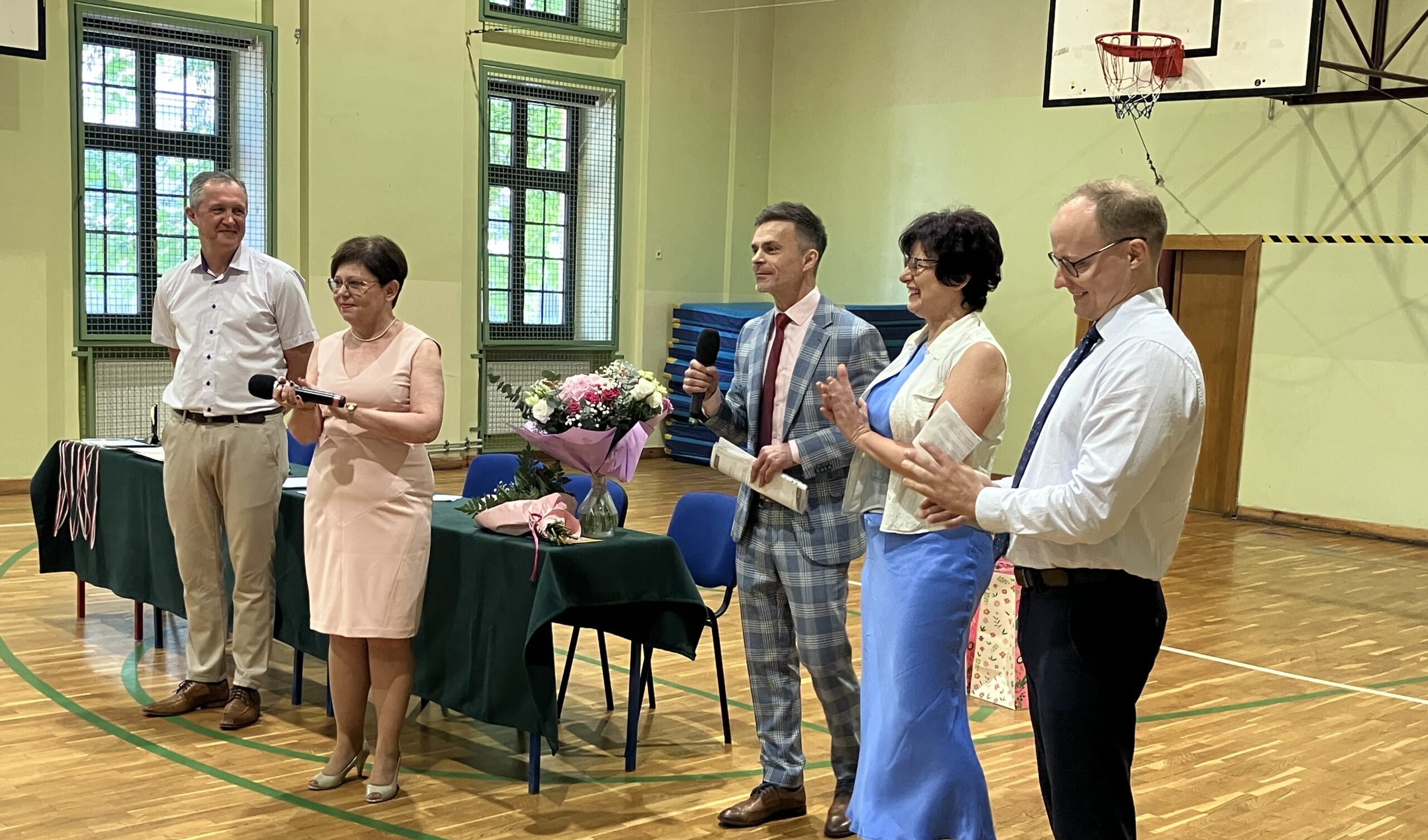
The headteacher Anna Sobala-Zbroszczyk began the end-of-school-year ceremony with a mental journey to Abkhazia and by quoting proverbs from this country, which formally belongs to Georgia. These proverbs highlight simple yet valuable truths in everyone’s life: that we should ...
Many Points of View
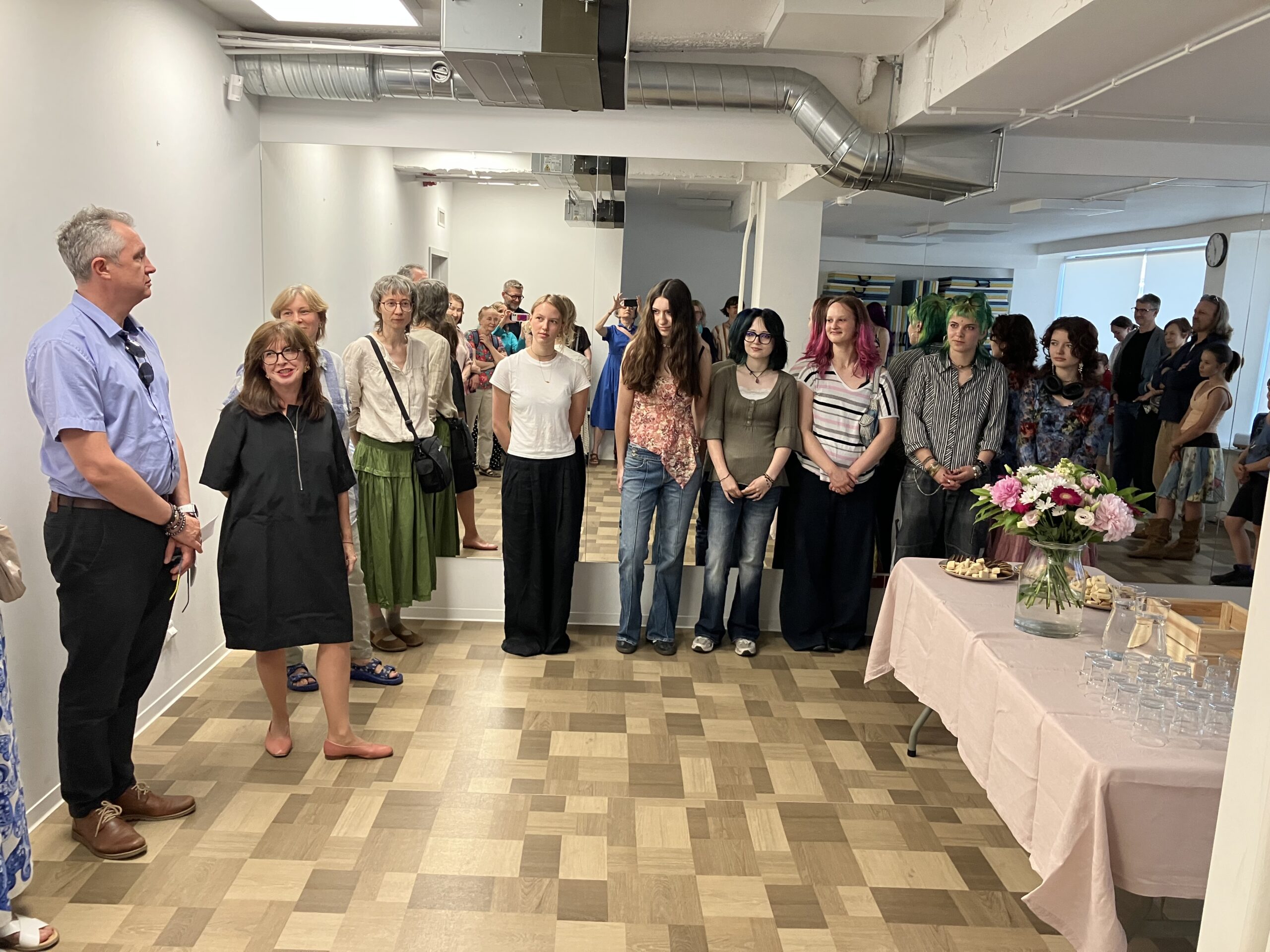
On June 19, at Dom w Alejach (Śródmieście Cultural Center) at 2 Aleje Jerozolimskie, the opening of the end-of-year Visual Arts exhibition by the DP1 and pre-DP2 groups took place. Titled “A Multitude of Perspectives,” the exhibition was prepared under the guidance of Olga Gr...
Sports and Arts Picnic
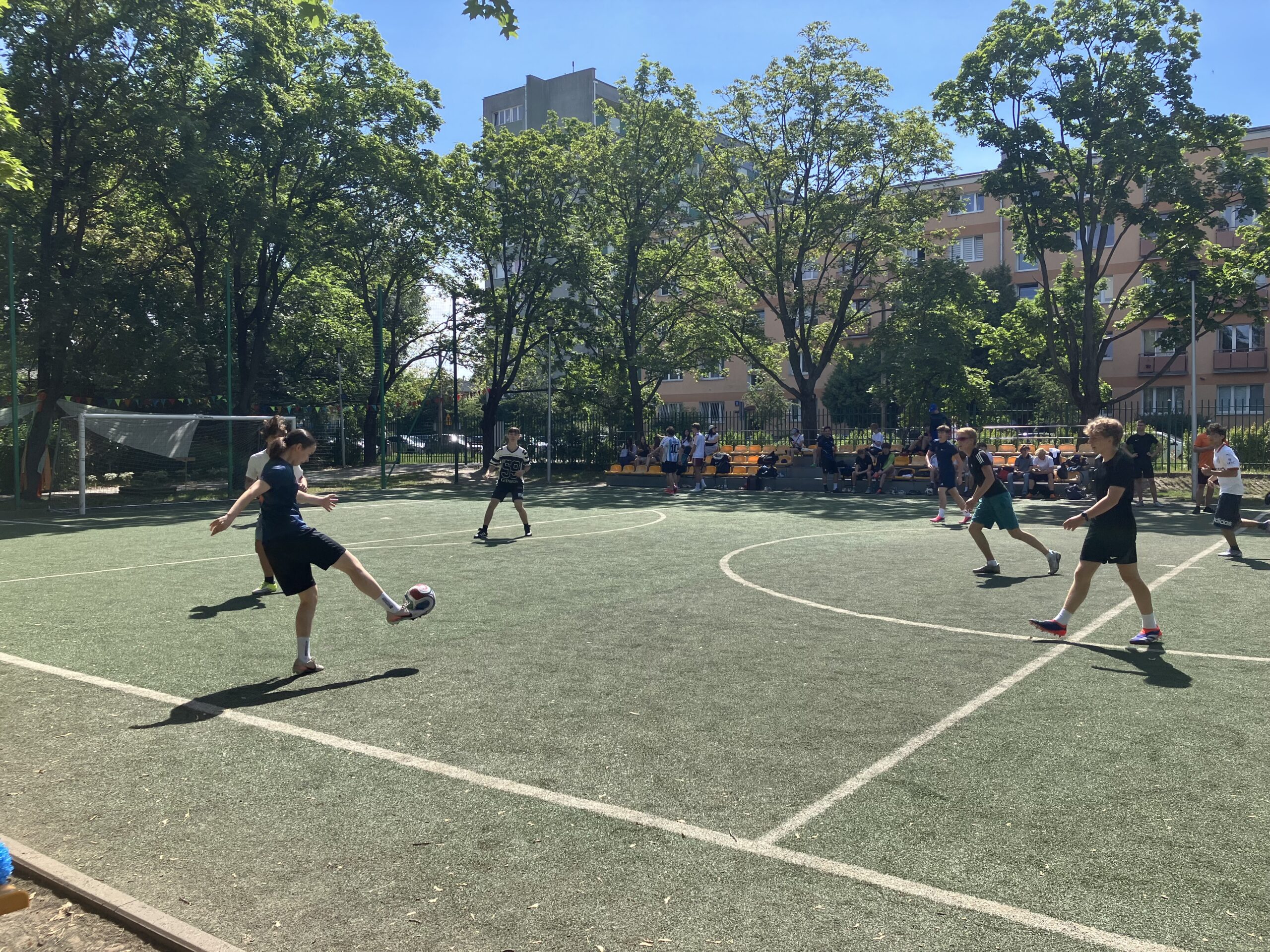
On June 24, at the 7th Jordanowski Garden on Namysłowska Street 21, the entire school community took part in a sports and arts picnic. As is tradition, the event featured an annual soccer tournament, a 3-on-3 basketball tournament, a badminton tournament, and other recreation...
