


Collaborative Science Projects 2026
On February 11, a full-day presentation of the results of the Collaborative Science Project carried out by DP1 students began.
At the beginning, the ProjectNeptune group participating in the CanSat competition talked about their activities and encouraged DP1 students to take part in its future editions. Then, in three stages, a total of twelve groups presented their projects on: the impact of classroom lighting on students’ concentration levels, the parameters of drinking water available at school and the differences between tap water and water from dispensers, and the need to enrich it with magnesium and calcium ions, the impact of simple sugar consumption on the human body, the health effects of excessive caffeine consumption, air pollution at school, the differences between office, plastic and wooden chairs in terms of seating comfort and students’ concentration span, school microwave ovens and their unexpected cleanliness, the need to reduce noise in schools, the impact of noise on students’ cognitive abilities, the idea of installing insulating foil to reduce low temperatures in winter and high temperatures in summer in classrooms on the sixth floor. All projects included references to local and global realities, elements of physical, chemical, and biological perspectives, the use of information technology, experiments, and recommendations for change. A vote was held for the most popular design among the students.


( text: Beata Ciacek, translated with DeepL.com; photos: Beata Ciacek)
Ostatnie aktualności
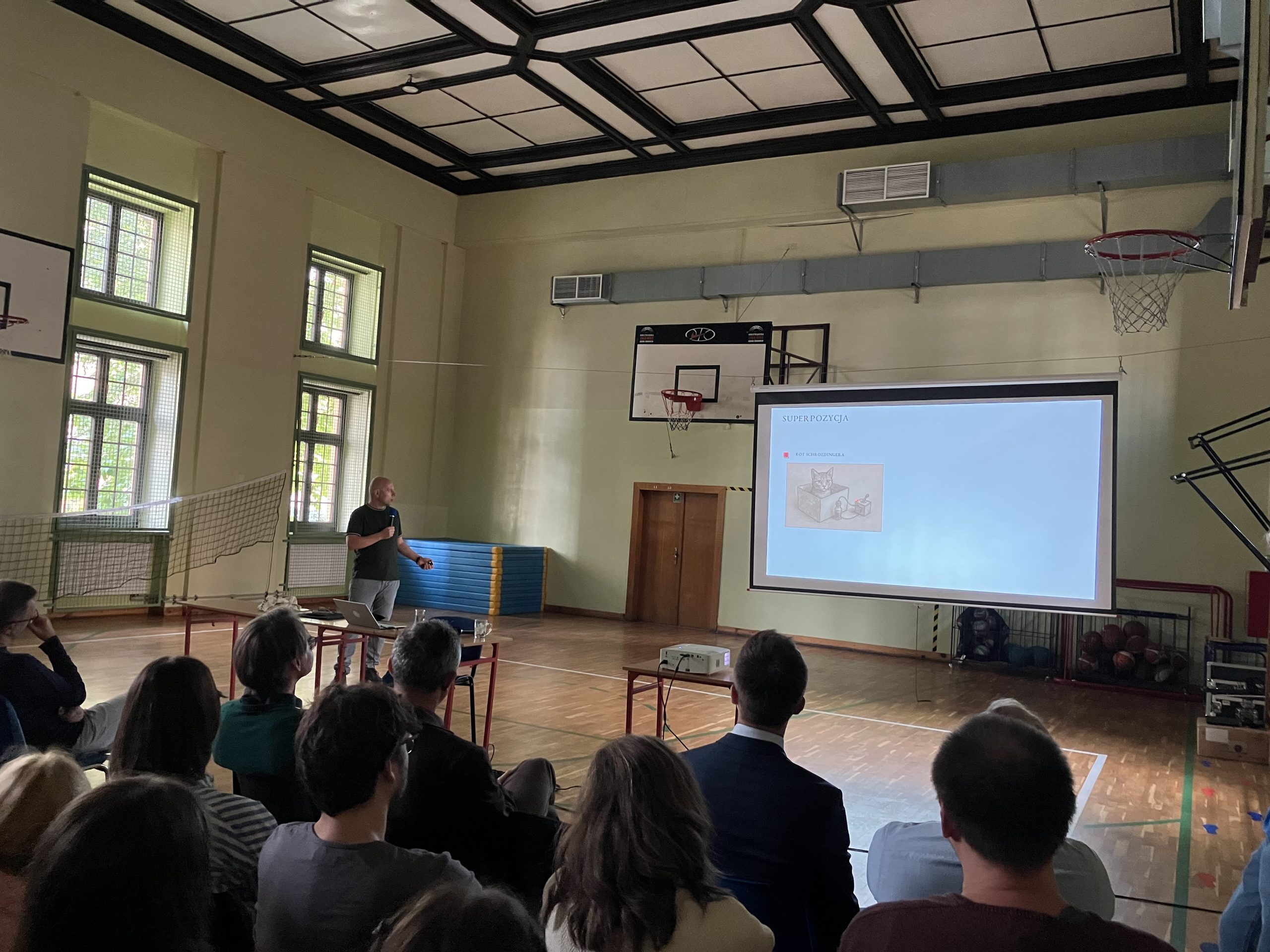
Schrödinger’s Cat: On the Paradox and Its Consequences
The ceremonial start of the school year began with remarks by the headteacher Anna Sobala-Zbroszczyk, as quoted by the coordinator Tomasz Mazur. The headteacher wished the entire school community hope, a good year, and many pleasant moments shared together. Emphasizing the ne...
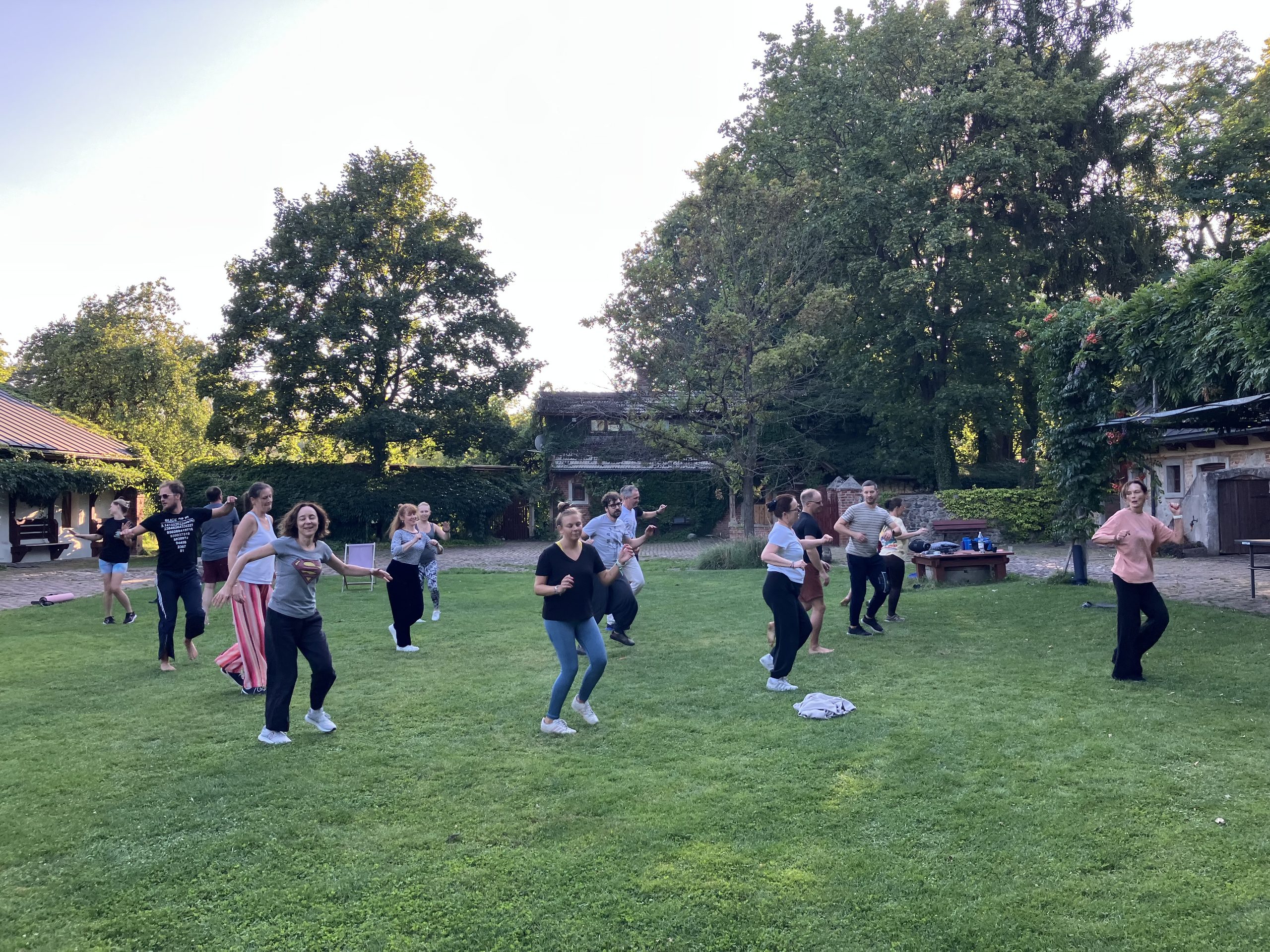
Faculty in Badowo
The Teaching Council of 2 SLO met in Badów to discuss, among other things, the grading system, the schools’ educational program, and the school’s field trip policy. Teachers from both the Polish and international schools worked diligently and effectively, and in their free ti...

School in Solec During the Summer Holidays
The Secretariat of the International Sections (Solec 48) is open: From August 24, 2024: 8:00 AM – 4:00 PM July 6 – July 24: 9:00 AM – 2:00 PM July 27 – August 17: SECRETARIAT CLOSED August 18 – August 21: 9:00 AM – 2:00 PM
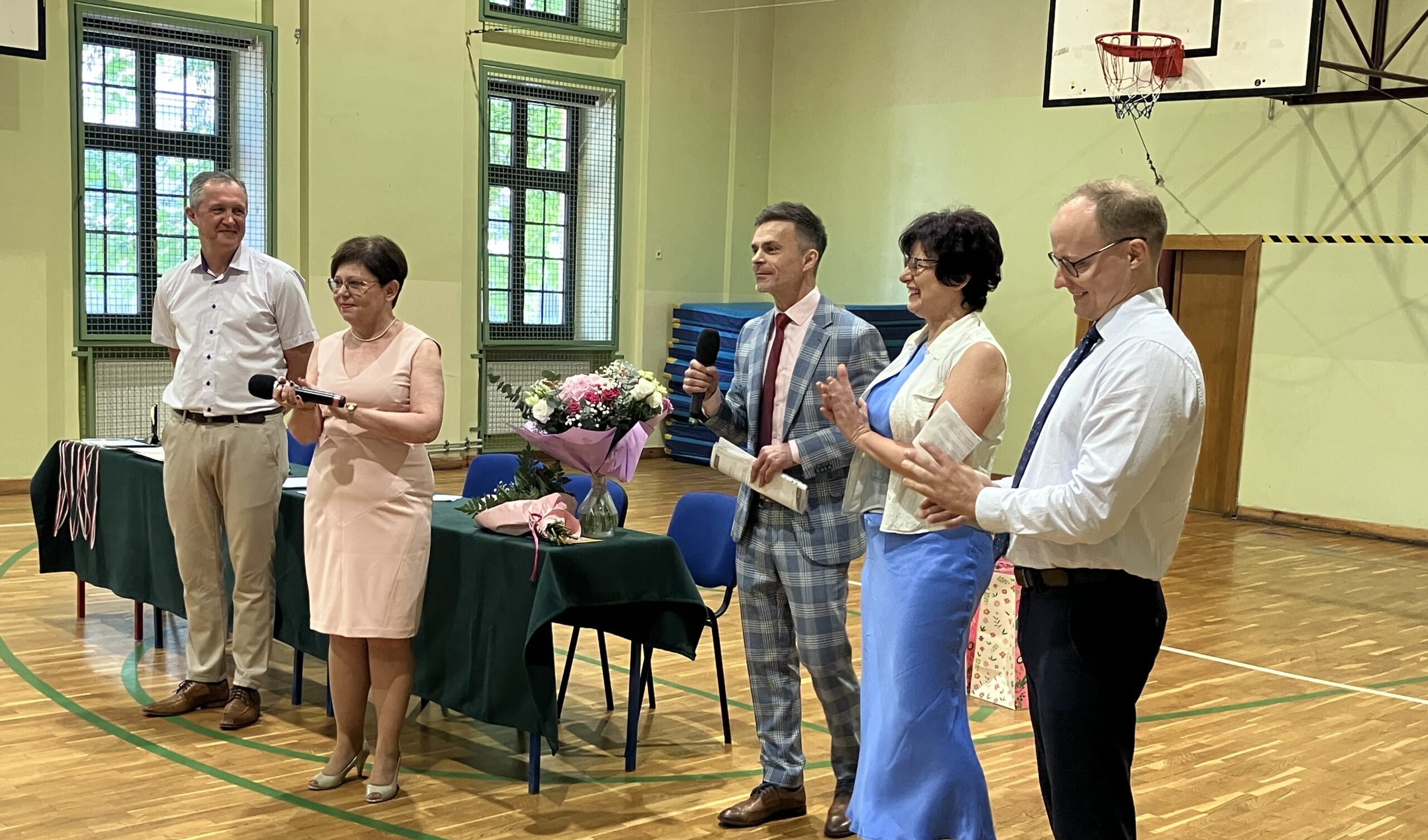
Love Your Teachers
The headteacher Anna Sobala-Zbroszczyk began the end-of-school-year ceremony with a mental journey to Abkhazia and by quoting proverbs from this country, which formally belongs to Georgia. These proverbs highlight simple yet valuable truths in everyone’s life: that we should ...
